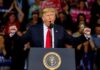

Italian Prime Minister Giorgia Meloni turned a sexually explicit deepfake attack into a masterclass in political communication by posting the fabricated image herself on Facebook, transforming what could have been a devastating scandal into a platform for educating millions about artificial intelligence’s capacity to deceive, manipulate, and destroy reputations.
Quick Take
- Meloni publicly shared the deepfake image on Facebook alongside a user screenshot, refusing to let perpetrators control the narrative
- She used self-deprecating humor, noting the image “improved me quite a bit,” to undermine the attack’s intended psychological impact
- The incident connects to ongoing 2024 litigation against a Sardinian man accused of creating deepfake pornography using her likeness
- Meloni framed deepfakes as a systemic threat affecting vulnerable populations, not merely a personal attack on a political figure
When Transparency Becomes the Best Defense
On May 5, 2026, Italian Prime Minister Giorgia Meloni faced a choice most public figures dread: ignore a sexually explicit deepfake circulating online, or confront it directly. She chose the latter. Rather than attempting suppression or legal maneuvers, Meloni posted the false image herself on Facebook, alongside a screenshot of a user identified as “Roberto” who had reshared it with a critical comment. Her decision revealed a sophisticated understanding of modern information warfare.
The strategic transparency worked because it seized control. Perpetrators typically rely on shame and silence to amplify damage. By voluntarily publishing the image before the public could weaponize it further, Meloni eliminated the perpetrators’ primary tactical advantage. She became the narrator of her own story rather than its victim.
The Power of Strategic Humor in Political Crisis
What distinguished Meloni’s response from standard damage control was her tone. She acknowledged the image was technically flattering, stating she must “admit that whoever created them, at least in the attached case, has also improved me quite a bit.” This self-deprecating humor served multiple purposes simultaneously. It deflated the attack’s emotional weight, demonstrated confidence rather than victimhood, and humanized her to audiences who might otherwise view her as a distant political figure.
The humor also accomplished something deeper: it shifted the conversation’s frame. By refusing to treat the deepfake as a catastrophe requiring urgent suppression, Meloni implicitly communicated that she could absorb the blow. This psychological positioning matters enormously in political communication. Strength often derives not from denying vulnerability but from demonstrating resilience in its face.
A Pattern of Harassment Emerges
This incident did not emerge in isolation. Meloni launched a libel suit approximately two years prior against a man from Sardinia accused of creating and distributing deepfake pornographic images using her face. The current May 2026 incident suggests either continuation by the same perpetrator or a broader pattern of harassment targeting the Italian Prime Minister. The repetition transforms this from isolated incident into systematic attack.
Female political figures face disproportionate deepfake targeting, particularly sexual in nature. Meloni’s experience reflects a disturbing trend: as artificial intelligence becomes more accessible, it increasingly weaponizes gender-based harassment. The technology amplifies existing patterns of gendered online abuse, making it easier and cheaper to create sexually explicit false imagery of women in power.
The Broader Message About Collective Responsibility
Meloni’s statement extended beyond personal defense into systemic advocacy. She emphasized that “I can defend myself. Many others cannot.” This framing recontextualized the incident from personal attack into broader societal problem. She urged users to “verify before believing, and think before sharing,” placing responsibility on information consumers, not just creators or platforms.
This messaging aligns with conservative values emphasizing personal responsibility and community standards. Rather than demanding government censor the internet or platforms police every image, Meloni appealed to individual judgment and collective cultural norms. She essentially said: each of us bears responsibility for what we amplify and share, regardless of legal liability.
The Regulatory Reckoning Ahead
The incident has accelerated discussion of legal and regulatory responses to AI-manipulated media in Italy and across Europe. The EU AI Act, implemented between 2024 and 2026, establishes frameworks for high-risk AI applications, including deepfakes. Meloni’s high-profile response provides political momentum for enforcement and potential strengthening of these provisions.
However, regulatory responses face inherent tensions. Robust rules against deepfakes must coexist with free speech protections and legitimate AI applications. The challenge lies in distinguishing malicious deepfakes from satire, artistic expression, and entertainment. European regulators grapple with this complexity as they attempt to protect citizens without creating surveillance infrastructure.
Italy’s Meloni Denounces Deepfake Lingerie Picture of Her That’s Gone Viral https://t.co/t6v9FWLAVk #gatewaypundit via @gatewaypundit
— Web (sport) News (@JP51News) May 6, 2026
Meloni’s response demonstrates that individual resilience, transparency, and strategic communication can sometimes accomplish what regulation cannot. By controlling her narrative and educating the public, she leveraged her platform’s advantages while exposing the perpetrators’ tactics. The deepfake incident, intended as an attack, instead became a teaching moment about artificial intelligence’s capacity to deceive and the importance of critical media consumption in an age of technological manipulation.
Sources:
“Improved Me Quite A Bit”: Giorgia Meloni Calls Out Viral Fake Lingerie Photo
Meloni Shares AI Image of Herself in Lingerie to Warn About Deepfakes