
Police lines stopped thousands of marching protesters just steps from the ASEAN summit venue in Manila, and the standoff erupted into shoving, water cannons, and arrests before the day ended.
Quick Take
- Protesters tried to march from Liwasang Bonifacio to the Philippine International Convention Center and police blocked them with a barricade.
- Demonstrators said they opposed President Trump’s visit, chanting against him and burning effigies.
- Arrest counts from different outlets range from seven to nine people, with at least two injuries reported at the scene.
- The clash unfolded during a massive security operation involving roughly 23,000 personnel across the capital.
Marchers Hit A Police Wall Near The Summit Site
On November 15, 2017, protesters gathered at Liwasang Bonifacio, a public park in Manila, and tried to march toward the Philippine International Convention Center in Pasay City. Police set up a barricade on the road just outside the park and stopped the crowd there. Officers said the marchers lacked a permit to leave the park, which is set aside as a free assembly zone under Philippine law.
The barricade held, but tension built fast. Protesters pushed toward the police line while officers braced to keep the route to the summit venue clear. What started as a standoff over a few hundred feet of road turned into one of the most visible confrontations of the entire summit week.
Water Cannons And Arrests Mark The Standoff
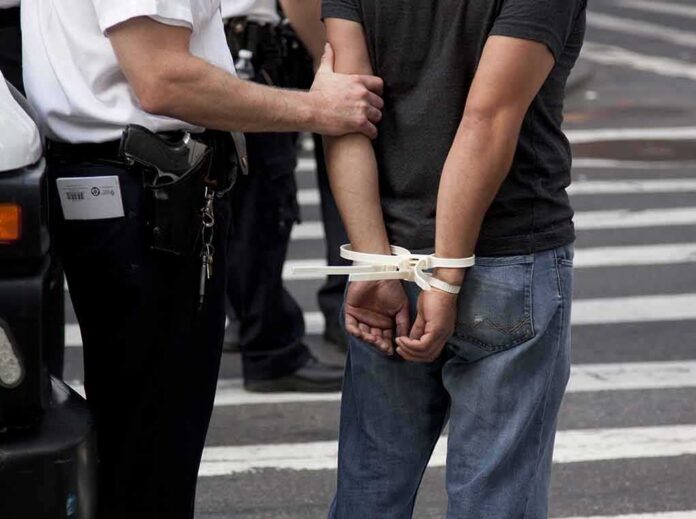
Officers used water cannons, truncheons, and a sonic alarm device to push the crowd back, according to Rappler. Reuters captured a separate but related scene, showing protesters hit by water cannon as they tried to reach the U.S. embassy during the same wave of demonstrations against Trump’s visit. Arrest numbers varied by outlet, landing somewhere between seven and nine people, while at least two protesters suffered injuries in the Liwasang Bonifacio confrontation.
A Message Aimed Squarely At Trump’s Visit
The protest’s target was never in question. Demonstrators burned effigies of Trump and chanted “ban Trump,” calling him a “fascist imperialist leader,” German broadcaster DW reported. Organizers said more than 9,000 people joined marches across Manila that week, drawing students, labor unions, Indigenous groups, Muslim organizations, and LGBT advocates from across the country. Dozens reportedly suffered minor injuries from water cannon blasts during the broader string of summit protests.
Philippine Law Draws A Line Between Parks And Permits
Philippine law gives protesters a path around strict permit rules. Batas Pambansa Blg. 880 lets demonstrators gather in designated freedom parks without a permit, but it still requires one for marches into other public streets. Liwasang Bonifacio works as one of these free zones, which explains why police let the rally happen there but blocked the planned march to the convention center. The Supreme Court has also ruled that officials cannot arbitrarily move or restrict an approved rally location, treating peaceful assembly as a strongly protected right.
Massive Security Operation Set The Stage
Manila deployed close to 23,000 security personnel to protect visiting leaders, an operation that shaped how police responded to the march from the very start. That scale of security turned the standoff into as much a story about crowd control as about the protesters’ message. Police publicly urged demonstrators to show “courtesy and respect towards guests,” framing the clash around hospitality rather than the dispute over where marchers could legally walk.
🇵🇭 Philippines
PROTESTS GREET THE ASEAN SUMMIT.Demonstrators face police in Manila as Southeast Asian leaders arrive. They cite the cost of basic goods and a US-led AI supply plan known as Pax Silica.
Al Jazeera reports from the streets.Will leaders hear them? pic.twitter.com/R2SCF9Gn5r
— Silent Politics◾️ (@silentpolitics1) November 15, 2026
The confrontation at Liwasang Bonifacio became one more flashpoint in a week already packed with marches, barricades, and heavy security across Manila. It left a clear record of what happened on the ground: a blocked march, a forceful police response, and a protest movement determined to make its opposition to Trump’s visit impossible to ignore.
Sources:
youtube.com, dzrh.com.ph, mindanews.com, newsinfo.inquirer.net, en.wikipedia.org, gmanetwork.com, rappler.com
© featuredheadlines.com 2026. All rights reserved.