
A North Korean defector who survived trafficking is being told she does not understand oppression, and she is answering on a Michigan stage.
Story Snapshot
- Cornerstone University will host Yeonmi Park for an anti-communism forum on Oct. 1, 2026.
- Park’s story centers on escape from North Korea and a warning about authoritarian ideas.
- The event answers rising interest in socialism and communism among young Americans.
- Supporters cite lived experience; critics allege exaggeration in parts of her past claims.
Cornerstone puts lived experience at the center of a freedom debate
Cornerstone University scheduled “Why Not Communism? A Wisdom Conversation on Freedom, Faith, and the Future of America” for October 1 at Christ Chapel in Grand Rapids. The university’s event page describes Yeonmi Park as a North Korean defector, author, and human rights advocate, and frames the evening as a response to growing openness to socialism and communism among younger Americans. Young America’s Foundation lists the same program details and partners with the school to bring Park to campus.
Park’s appearance signals the school’s choice to anchor a political discussion in story, not theory. Her warnings carry force because they come bound to places, dates, and scars. She is not a white paper. She is a person who says she fled one of the world’s harshest regimes, braved traffickers, and reached freedom. The university’s pitch is simple: hear a witness who saw what unchecked state power does to a soul, then judge the ideas on offer.
Who Park is, and why her message resonates on the right
Park first came to global attention for telling how she and her mother escaped North Korea as a young teen, endured trafficking in China, and later reached safety, a journey detailed in her memoir, In Order to Live. She has since urged Americans to value free speech, faith, and family, and to push back on ideologies she views as seeds of soft authoritarianism. Park’s testimony stresses that cultures can slide into control long before people notice the edges getting sharp.
Conservative audiences hear in Park a clarion call that matches their instincts about limited government and personal responsibility. Her critique connects bad ideas to their real-world end points. When she says classrooms that shame dissent resemble a smaller version of the propaganda she knew, the point lands because her baseline is not abstract. It is a childhood where the state told people what to say, think, and remember, and punished those who strayed.
The pushback, and how to weigh it like an adult
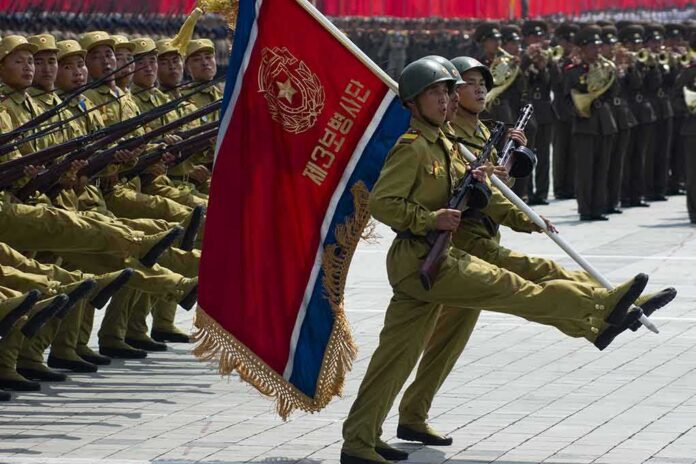
Some outlets and scholars have questioned parts of Park’s past public claims, noting inconsistencies and urging caution about details that are hard to verify from outside North Korea. The Diplomat highlighted disputes over specific punishments in North Korea, echoing experts who doubt extreme outcomes for certain acts, even while agreeing the regime is brutal. That debate exists. It should not fog the basic point: North Korea remains a repressive state, and Park lived under it.
Common sense says two things can be true at once. First, exact details in a harrowing escape can blur across years, languages, and trauma. Second, authoritarian systems crush human beings. American conservative values ask that we test claims, reward truth, and still not lose the forest for one contested tree. Cornerstone’s format—putting Park beside scholars and other survivors—invites that adult approach. Listen closely. Ask hard questions. Defend the freedom that lets both happen.
Why this campus forum matters beyond one night
Cornerstone built the event around a clear concern: more young people view socialism and communism as fresh answers to modern problems. The school’s response is to show the cost of those systems through people who paid it. That choice reflects confidence in free inquiry. It also reflects a duty colleges once embraced—bring clashing ideas under one roof and trust students with the contest. That is how a free society renews itself without force.
A Michigan Christian university is hosting an anti-communism event featuring North Korean defector Yeonmi Park, Cultural Revolution survivor Xi Van Fleet, Dr. Gary Saul Morson and Babylon Bee CEO Seth Dillon — after its president says the school grew "alarmed" watching public… pic.twitter.com/rJLRxMlFLe
— Fox News Flash (@FoxNews_Flash) September 22, 2026
Park’s critics say she overstates parts of her past; her supporters say America understates present risks. The gap between them is the debate. But the stakes are not abstract. In North Korea, the state owns speech, worship, and labor. In free nations, citizens own those things, and they guard them with habits as much as with laws. A forum that reminds students what is at risk does the work a university exists to do—prepare adults to keep liberty.
Sources:
nypost.com, cornerstone.edu, unwatch.org, indy100.com, yaf.org, thediplomat.com, thefederalist.com
© featuredheadlines.com 2026. All rights reserved.