Two internet-famous boxers walked into the Pentagon, met troops and the Defense Secretary, and set off a national argument about what the military wants to say—and to whom.
Story Highlights
- The Department of Defense hosted Logan and Jake Paul for a Pentagon visit and troop meet-up.
- Officials described the stop as a goodwill tour that included the 9/11 memorial and a brief meeting with Secretary Pete Hegseth.
- Defense channels posted video of the brothers addressing service members inside the building.
- The event fueled a broader debate over influencer outreach in military culture and recruiting.
Pentagon Visit Framed As Goodwill And Troop Engagement
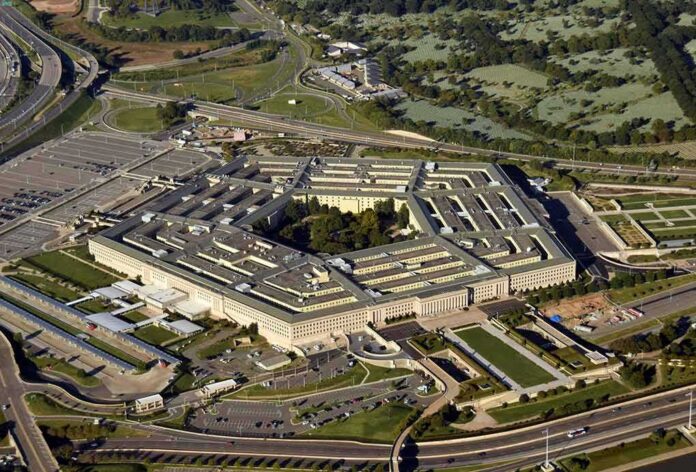
The Department of Defense confirmed that Logan and Jake Paul visited the Pentagon, met service members, and had a brief sit-down with Defense Secretary Pete Hegseth. The building’s official social post welcomed the brothers “to meet with our warriors,” and video showed them speaking with troops during the visit. The department’s description stressed a ceremonial tone: tour the building, pay respects at the 9/11 memorial, thank service members, and move on. That is standard, simple, and clear.
Defense media channels followed with clips and photos. The footage made one point unmistakable: the Pauls were inside the Pentagon, on camera, talking with uniformed Americans. The official framing carried an upbeat pitch, not a policy message. That matters. Goodwill visits are common for athletes, actors, and veterans of other fields. The goal is morale and a memorable moment for troops on a tight schedule. The Paul brothers now join a long list of high-visibility guests.
Why The Pentagon Uses Big Platforms To Reach Young Americans
Senior defense officials have said that outreach to younger audiences often works best when messengers feel familiar to that group. The Deputy Secretary of Defense pointed to influencers as a bright spot for Gen Z recruiting, and Army public affairs has built programs that invite creators to see military life up close. The logic is simple. Meet people where they spend time. Speak in voices they actually hear. The medium is part of the message, and the messenger sometimes is the message.
That approach tracks with past celebrity visits and collaborations, from television support agreements to influencer fly-ins for service birthdays. The Pentagon also runs official tours and structured events, which set guardrails on access and conduct. Done well, these efforts spark interest without blurring lines. Done poorly, they look like gimmicks. The line between the two often depends on tone, timing, and the guest’s conduct on site—not just their fame outside the gate.
Backlash Was Swift, But The Facts Of The Visit Stayed Straight
Social media pushback hit fast, with critics questioning the taste and value of platforming the Paul brothers. Some framed the appearance as a lecture to troops, which is a loaded charge. The record shows a meet-and-greet plus brief remarks, as seen in official video and descriptions. Reasonable people can dislike the choice of guests. But the department’s account is direct about what happened and what did not. No policy talk. No recruiting pledge. No special status beyond a hosted tour.
The stronger complaint is about fit. Military culture prizes earned authority and service-first humility. Celebrity culture runs on attention. That clash creates friction, especially when influencers bring past controversy. Common sense says the military should pick partners who lift the flag, not themselves. On that score, judge by outcomes: did troops feel seen and appreciated, or used for someone else’s brand? That question is fair to ask after any visit—boxing champs, actors, or football stars alike.
The Strategic Tradeoff: Attention Versus Authority
Defense leaders face a tough balance. Recruiting is hard. Public trust matters. Visibility helps both. But credibility is the coin of the realm. If the department leans too hard on fame, it risks looking like it chases clicks. If it ignores modern platforms, it cedes the space to loud voices who do not share American values. The right path is selective outreach, clear rules, and events that keep troops at the center. The Pentagon’s straight description of the Paul visit fits that template so far.
@DeptofWar @PeteHegseth Paul brothers visit Pentagon, speak to troops.
🤨Neither Jake Paul nor Logan Paul has ever served in the U.S. military.
Recent reports confirm that the brothers have zero military experience. In Sept 2026, the Department of Defense hosted them at the… pic.twitter.com/1bpsDe6j4Q— Sumner (@renmusb1) September 21, 2026
Three guardrails keep these efforts on track. First, keep the setting respectful—memorials, unit spaces, and time with rank-and-file. Second, avoid politicized messages or lifestyle stunts; this is not a stage show. Third, ensure the guest lifts the uniform, not the other way around. When leaders hold that line, even a polarizing figure can deliver a morale bump without diluting standards. When they do not, backlash will drown out any intended good.
Sources:
taskandpurpose.com, thedailybeast.com, nypost.com, war.gov
© featuredheadlines.com 2026. All rights reserved.