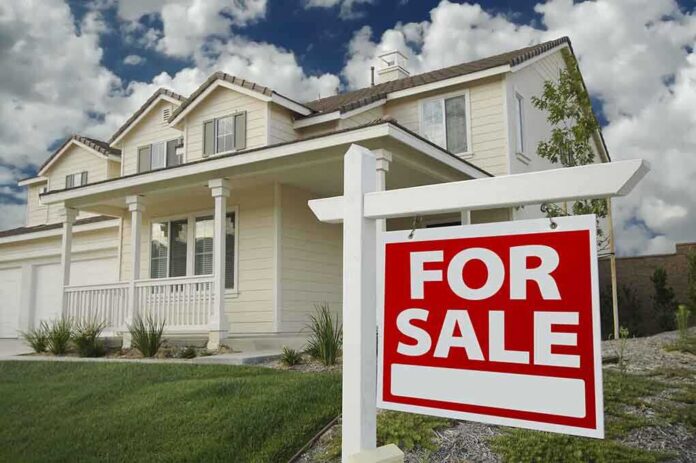
A significant correction in the U.S. housing market threatens to surpass the severity of the 2008 financial crisis, sparking concern among homeowners and investors alike.
Story Highlights
- Analysts predict a severe correction in the housing market, potentially worse than the 2008 GFC.
- Elevated mortgage rates and declining affordability are primary drivers of the downturn.
- Home sales are projected to hit a 30-year low by the end of 2025.
- Housing deflation warnings intensify across 32 states.
Analysts Warn of Severe Housing Correction
Leading analysts, including Melody Wright and Ivy Zelman, have issued stark warnings about the U.S. housing market’s trajectory. Over the next 18 months, home prices and sales are anticipated to decline significantly, potentially leading to a downturn more severe than the 2008 Global Financial Crisis. These projections align with bearish forecasts from typically optimistic sources, highlighting the gravity of the situation.
This anticipated decline is attributed to several structural factors, including persistent affordability issues and demographic shifts. The market, previously buoyed by ultra-low interest rates, is now grappling with elevated mortgage rates that exceed 6%, reducing the purchasing power of potential buyers. The National Association of Home Builders reports that builder confidence has plummeted to its third-lowest level since 2012, a sign of the industry’s apprehension.
Impacts on Homeowners and Buyers
The immediate implications of this downturn are profound. Homeowners may see their equity diminish, with the risk of negative equity looming if prices continue to fall. Prospective buyers might benefit from improved affordability, but the uncertainty surrounding the market could keep demand subdued. Analysts suggest that the baby boomer sell-off could further exacerbate price declines, adding pressure to an already strained market.
The broader economic impact cannot be understated. A significant housing correction could lead to increased foreclosures and financial distress, reminiscent of the 2008 crisis. This scenario poses a risk not only to homeowners but also to real estate professionals, builders, and related industries, potentially leading to reduced consumer spending and a broader economic slowdown.
Future Outlook and Expert Opinions
Despite the bearish consensus, there remains some divergence among expert forecasts. While Realtor.com and Zillow predict continued sluggishness and price declines, institutions like Fannie Mae and Wells Fargo offer a more optimistic outlook, forecasting modest price increases. This uncertainty underscores the complexity of the current market dynamics and the challenges in predicting future trends.
Ultimately, the U.S. housing market’s future remains uncertain, with the potential for a correction worse than the Global Financial Crisis. Policymakers and industry stakeholders must navigate these turbulent waters carefully to mitigate the impacts on homeowners and the broader economy.
Sources:
Housing Market and Mortgage Rate Forecast 2025 – Realtor.com
Zillow Turns Housing Bear: Updated 2025 Forecast – ResiClub Analytics
Housing Market 2025 – Bankrate